When John Sage acquired the Aurora development site in 1996, the initial choice was clear: follow the common path of creating a basic, low-cost residential project with a “box-style” design and lightweight balconies, or pursue something distinctive that would stand well above the market standard.
Building a Vision by John Sage
For the residents of Aurora, the building represents more than construction—it became their home, their living space, and in many ways, their personal retreat. It is where life unfolds, friendships are welcomed, and daily experiences shape who we are. A home inevitably reflects the character and lifestyle of those who live within it.
John Sage first purchased the two adjoining sites that would eventually form the Aurora development on 22 October 1996. At the time, this decision carried a degree of risk, as the residential property market was only beginning to recover from the interest rate pressures of 1994 and 1995. In addition, St Kilda Road was widely regarded as a predominantly commercial office location rather than a residential destination.
Following the site acquisition, the core decision remained the same: construct a conventional, low-cost apartment building with minimal design ambition, or create something refined and exceptional that would elevate expectations within the area.
At that time, Melbourne had a major residential developer focused heavily on budget projects. Many of their buildings shared the same rigid, uninspired appearance, prioritising cost savings over design quality. John Sage felt this approach was entirely unsuitable for such a premium and prominent location.
It was during this period that John Sage had the opportunity to collaborate with one of Australia’s most respected architectural designers, Nigel Fitton. Together, they committed to creating a landmark development—one that would be visually striking, architecturally advanced, and, above all, an outstanding place to live.
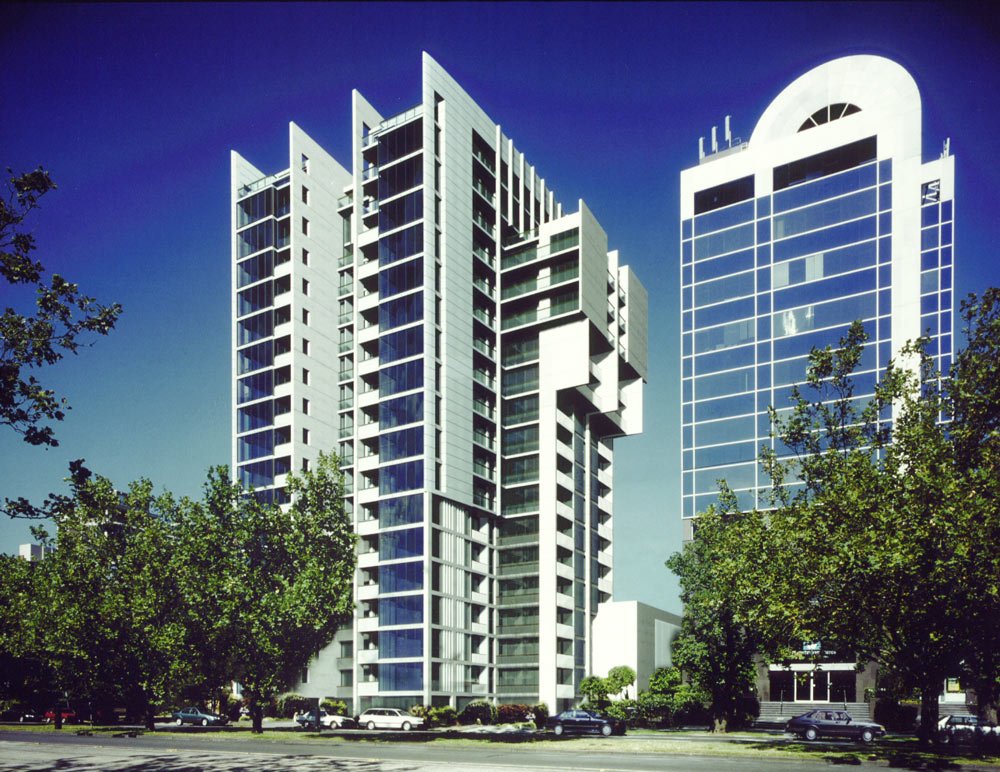
The balconies at Aurora were intentionally designed larger than standard and integrated into the apartment floor plates, rather than being attached externally. This design allows residents to genuinely enjoy their outdoor space without exposure to strong winds or the instability often associated with conventional balcony designs.
The building is fully air-conditioned via a central system, avoiding the typical cost-cutting approach of individual units mounted on balconies. While Aurora’s design features are too extensive to list in full, collectively they contribute to a noticeably higher-quality living environment.
One of the most critical elements in delivering a superior residential building lies in the construction methodology used.
John Sage Adopted Open-Engineered Commercial Construction for Aurora
Most residential developments rely on “tilt slab” construction, where large concrete panels form the primary structure. While this method reduces costs, it often limits design potential. Windows are typically smaller, room sizes are restricted, and apartment layouts become repetitive—resulting in a boxed-in living experience.
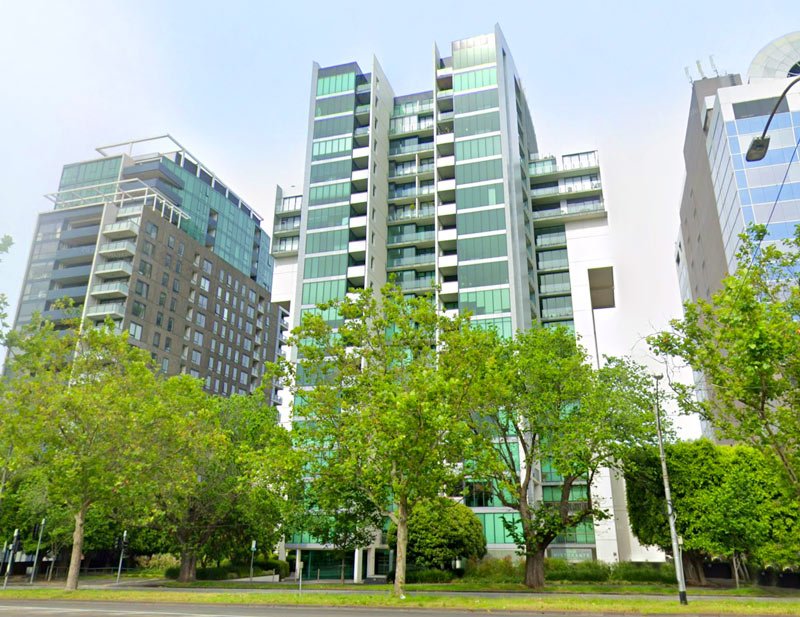
For Aurora, the priority was design freedom. The aim was to create larger living spaces, expansive open-plan areas, floor-to-ceiling glazing, and a broader mix of apartment configurations. The result was closer to a vertical neighbourhood than a standard apartment block, requiring a construction approach beyond the typical square-box model found throughout Melbourne.
An open-engineered commercial construction system was therefore selected. Built around a central lift core with concrete columns and post-tensioned slab floors, this approach supported the building structurally while enabling its distinctive form. More importantly, it allowed for more engaging internal layouts and a stronger connection between each apartment and its surrounding views.
Aurora includes many subtle design elements that distinguish it from comparable developments. One example is its height configuration—while most St Kilda Road buildings at the 60-metre limit feature 20 levels, Aurora has only 19. This was a deliberate decision by John Sage and Nigel Fitton to incorporate higher floor-to-ceiling heights, creating a greater sense of space, comfort, and liveability within each apartment.